Spore Syringe Straight to Spawn: Science, Risks & Fungal Biology
Spore Syringe Straight to Spawn: Understanding the Science, Risks, and Fungal Biology
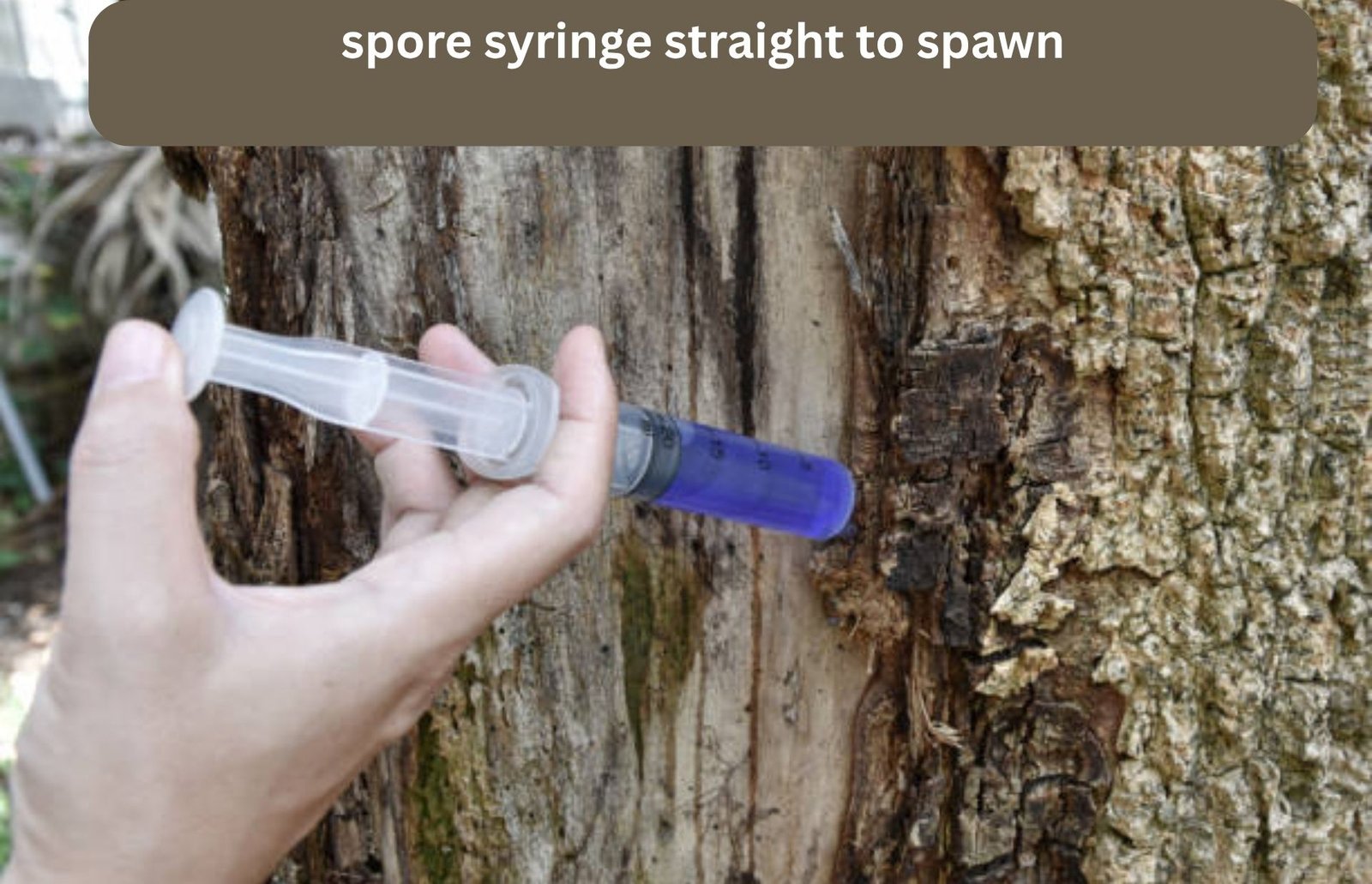
The phrase “spore syringe straight to spawn“ appears frequently in online mycology communities. People searching this topic usually want to know whether fungal spores suspended in water can be introduced directly into a nutrient-rich growth medium.
Table of Contents
While the topic often appears in cultivation discussions, understanding it requires knowledge of fungal biology, contamination science, spore germination, and laboratory practices. This article explains the science behind spore syringes, why contamination occurs, and why researchers and mycology enthusiasts frequently discuss alternative laboratory approaches.
What Is a Spore Syringe?
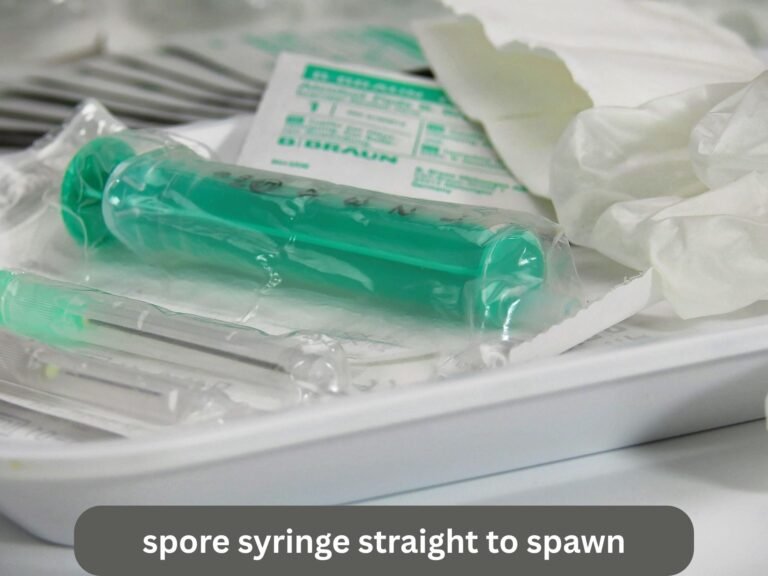
A spore syringe contains microscopic fungal spores suspended in sterile water.
Spores are reproductive cells produced by fungi. Under suitable environmental conditions, spores germinate and produce fungal threads known as hyphae. These hyphae eventually form mycelium.
Healthy spore solutions often contain:
- Visible dark specks
- Clear liquid
- Clusters of spores
- Sediment that settles over time
Cloudiness or unusual discoloration may indicate contamination.
Understanding Spawn Materials
In mycology, “spawn” refers to a nutrient-rich medium colonized by fungal mycelium.
Spawn serves as a carrier that allows fungal organisms to spread efficiently through additional substrates.
Common spawn materials discussed in fungal research include:
- Grain-based media
- Wood-based substrates
- Sawdust mixtures
- Specialized laboratory media
Because these materials are nutrient dense, they can support both fungal growth and unwanted microorganisms.
Why Is “Straight to Spawn” Frequently Discussed?
The topic generates interest because it appears simple.
The general idea involves introducing spores directly into a nutrient-rich environment rather than first studying or isolating them in a laboratory setting.
However, several challenges arise:
1. Spores Require Germination Time
Spores do not immediately become active fungal tissue.
They must:
- Absorb moisture
- Germinate
- Produce hyphae
- Establish a mycelial network
This process takes time, during which competing organisms may also grow.
2. Environmental Microorganisms Exist Everywhere
Fungal spores naturally develop in environments containing:
- Bacteria
- Yeasts
- Mold spores
- Airborne microorganisms
This makes absolute sterility difficult to achieve.
3. Nutrient-Rich Media Favor Many Organisms
Nutrient-dense materials support growth for both fungi and contaminants.
As a result, unwanted organisms can sometimes outcompete desired fungal growth.
The Science of Contamination
Contamination remains one of the most discussed topics in mycology.
Common contaminants include:
- Bacteria
- Competing molds
- Yeasts
- Environmental fungi
Researchers emphasize that contamination may originate from:
- The environment
- Equipment
- Handling procedures
- Source materials
Many experienced mycologists use laboratory methods to identify contaminants early in development.
Why Laboratory Methods Are Often Preferred
Modern mycology frequently uses laboratory media to observe fungal growth.
Advantages include:
Visual Inspection
Researchers can observe:
- Growth patterns
- Colony appearance
- Contaminant presence
Isolation
Individual fungal sectors can be separated and examined.
Quality Control
Potential contamination can often be detected before further experimentation.
Several educational spore syringe straight to spawn mycology resources describe laboratory media as useful for observing germination and isolating healthy growth.
Understanding Fungal Spores
Fungal spores are remarkable biological structures.
They:
- Survive harsh environments.
- Travel long distances.
- Remain dormant.
- Germinate under suitable conditions.
Scientific studies have shown that fungi use highly sophisticated mechanisms for spore dispersal and release.
Research also demonstrates that many fungi release spores according to environmental conditions that maximize survival.
Factors That Influence Spore Viability
Several variables affect spore quality:
Age
Older spores may germinate more slowly.
Storage Conditions
Cool, dark environments generally preserve viability longer.
Moisture
Excessive moisture can encourage microbial growth.
Temperature
Temperature influences both spores and competing microorganisms.
Common Signs of Contamination
Warning signs may include:
- Cloudy liquid
- Sour odors
- Unusual colors
- Wet patches
- Green growth
- Orange growth
- Slimy textures
Cloudiness within a spore solution can indicate bacterial activity.
The Role of Sterility in Mycology
Sterility is fundamental in fungal research.
Laboratories typically emphasize:
- Clean surfaces
- Sterile equipment
- Controlled environments
- Proper handling procedures
Even minor contamination can influence experimental outcomes.
Fungal Genetics and Diversity
Spores contain genetic diversity.
When multiple spores germinate, different genetic combinations may emerge.
This diversity can influence:
- Growth characteristics
- Appearance
- Development rates
- Biological behavior
Researchers often study these differences to understand fungal populations.
Benefits of Understanding Spore Biology
Learning fungal biology provides several advantages:
- Better identification skills
- Improved contamination recognition
- Deeper understanding of fungi
- Greater appreciation for mycology
Educational knowledge helps separate scientific understanding from anecdotal information.
Common Misconceptions
“Spores Are Sterile”
Spores exist in natural environments and may encounter microorganisms.
“Cloudy Liquid Is Normal”
Persistent cloudiness can indicate bacterial contamination.
“All Fungi Behave the Same”
Different species exhibit different growth patterns, dispersal strategies, and environmental preferences.
Expert Insights
Modern mycology increasingly emphasizes:
- Observation
- Laboratory practices
- Quality control
- Documentation
Scientific approaches improve reliability and help identify contamination issues earlier.
Frequently Asked Questions
What is a spore syringe?
A spore syringe contains fungal spores suspended in sterile water.
Why are contamination concerns common?
Fungal materials and environmental microorganisms often coexist.
Can spores become contaminated?
Yes. Environmental exposure may introduce bacteria or molds.
Why do spores take time to develop?
Spores must germinate before producing mycelial growth.
What does cloudy liquid indicate?
Cloudiness can suggest bacterial contamination.
Why do researchers use laboratory media?
Laboratory media allow observation and contamination detection.
Are all fungal spores identical?
No. Spores can contain significant genetic variation.
What is mycelium?
Mycelium is the network of fungal cells produced after spores germinate.
How are fungal spores dispersed naturally?
Many fungi use specialized mechanisms involving airflow and moisture.
Why is sterile technique important?
It helps reduce unwanted microbial contamination.
Conclusion
The topic “spore syringe straight to spawn” reflects a broader interest in fungal biology, contamination science, and mycology practices. Understanding how spores germinate, how contaminants compete, and why laboratories emphasize observation and sterility provides valuable context for anyone studying fungi.
Modern mycology demonstrates that fungal growth is influenced by genetics, environmental conditions, and microbial competition. Approaching the subject scientifically helps build a stronger understanding of fungal biology and contamination dynamics.