Polytack Guide: Uses, Benefits, Installation, Applications & Expert Tips
Polytack: Complete Guide to Uses, Benefits, Installation, and Best Practices
When it comes to modern roofing and waterproofing systems, choosing the right adhesive is just as important as selecting the membrane itself. One product that has become increasingly popular among roofing professionals is Polytack. Known for its exceptional bonding strength, weather resistance, and ease of application, Polytack is widely used in commercial and residential roofing projects.
Table of Contents
Whether you’re a contractor, building owner, architect, or DIY enthusiast looking to understand how Polytack works, this comprehensive guide covers everything you need to know. We’ll explore its features, applications, advantages, installation process, maintenance tips, comparisons with other roofing adhesives, and frequently asked questions.
By the end of this guide, you’ll have a clear understanding of when Polytack is the right solution and how to use it effectively.
What Is Polytack?
Polytack is a high-performance roofing adhesive designed to bond insulation boards, roofing membranes, and other construction materials securely. It is commonly used in low-slope commercial roofing systems where durability and long-term performance are essential.
Unlike traditional solvent-based adhesives, many modern Polytack formulations are designed for faster curing, reduced odor, and improved environmental performance.
Its strong adhesion makes it suitable for a wide range of roofing assemblies while helping contractors reduce installation time.
Why Is Polytack Popular?
Several factors contribute to Polytack’s growing popularity in the roofing industry.
Strong Bonding Performance
One of its biggest advantages is the ability to create an extremely durable bond between roofing materials.
Benefits include:
- Excellent adhesion
- Long-lasting performance
- Reduced risk of membrane lifting
- Improved wind uplift resistance
Faster Installation
Compared to traditional adhesive systems, Polytack often allows installers to complete roofing projects more efficiently.
Advantages include:
- Less application time
- Reduced labor costs
- Faster curing
- Minimal cleanup
Weather Resistance
Roofs are constantly exposed to:
- Rain
- UV radiation
- Snow
- Ice
- Wind
- Temperature fluctuations
Polytack is designed to maintain its bond under challenging environmental conditions.
Common Applications of Polytack
Polytack is used in numerous construction and roofing applications.
1. Commercial Roofing
Large commercial buildings frequently use Polytack because it provides excellent adhesion for roofing insulation and membranes.
Examples include:
- Warehouses
- Shopping centers
- Office buildings
- Schools
- Hospitals
2. Residential Roofing
Although more common in commercial work, some residential roofing systems also benefit from Polytack adhesives.
3. Roof Repairs
Roof repair professionals often use Polytack for localized repairs because it provides strong bonding without requiring complete roof replacement.
4. Insulation Installation
Rigid insulation boards require secure attachment.
Polytack helps prevent movement while maintaining thermal efficiency.
Main Features of Polytack
Some of the most appreciated features include:
High Initial Tack
Materials stay in place shortly after application.
Moisture Resistance
Suitable for demanding outdoor environments.
Durable Bond
Designed for years of reliable service.
Easy Application
Many formulations are compatible with dispensing equipment that improves consistency.
Low VOC Options
Some products are formulated to meet stricter environmental regulations.
Advantages of Using Polytack
Improved Roof Performance
A properly bonded roofing system experiences fewer failures.
Reduced Maintenance
Strong adhesion minimizes repair frequency.
Cost Savings
Although premium adhesives may have higher upfront costs, they often reduce:
- Labor expenses
- Maintenance costs
- Premature replacement
Better Wind Resistance
Properly installed roofing systems using high-quality adhesives can perform better during severe weather.
How Polytack Works
Polytack creates a chemical and mechanical bond between compatible roofing materials.
The basic process includes:
- Surface preparation
- Adhesive application
- Material placement
- Compression
- Curing
Once cured, the adhesive forms a durable connection capable of withstanding daily environmental stress.
Surface Preparation
Proper preparation greatly influences performance.
Recommended steps Polytack include:
- Remove dust
- Remove oil
- Eliminate standing water
- Repair damaged substrates
- Ensure compatibility
Skipping preparation may reduce bond strength.
Installation Process
Although exact instructions vary by product, the typical process includes:
Step 1
Inspect the substrate.
Step 2
Clean thoroughly.
Step 3
Apply Polytack evenly.
Step 4
Install insulation or membrane.
Step 5
Roll or press materials firmly.
Step 6
Allow recommended curing time.
Always follow the manufacturer’s installation guidelines.
Best Practices
For optimal performance:
- Store adhesive correctly.
- Check expiration dates.
- Apply within recommended temperature ranges.
- Avoid contaminated surfaces.
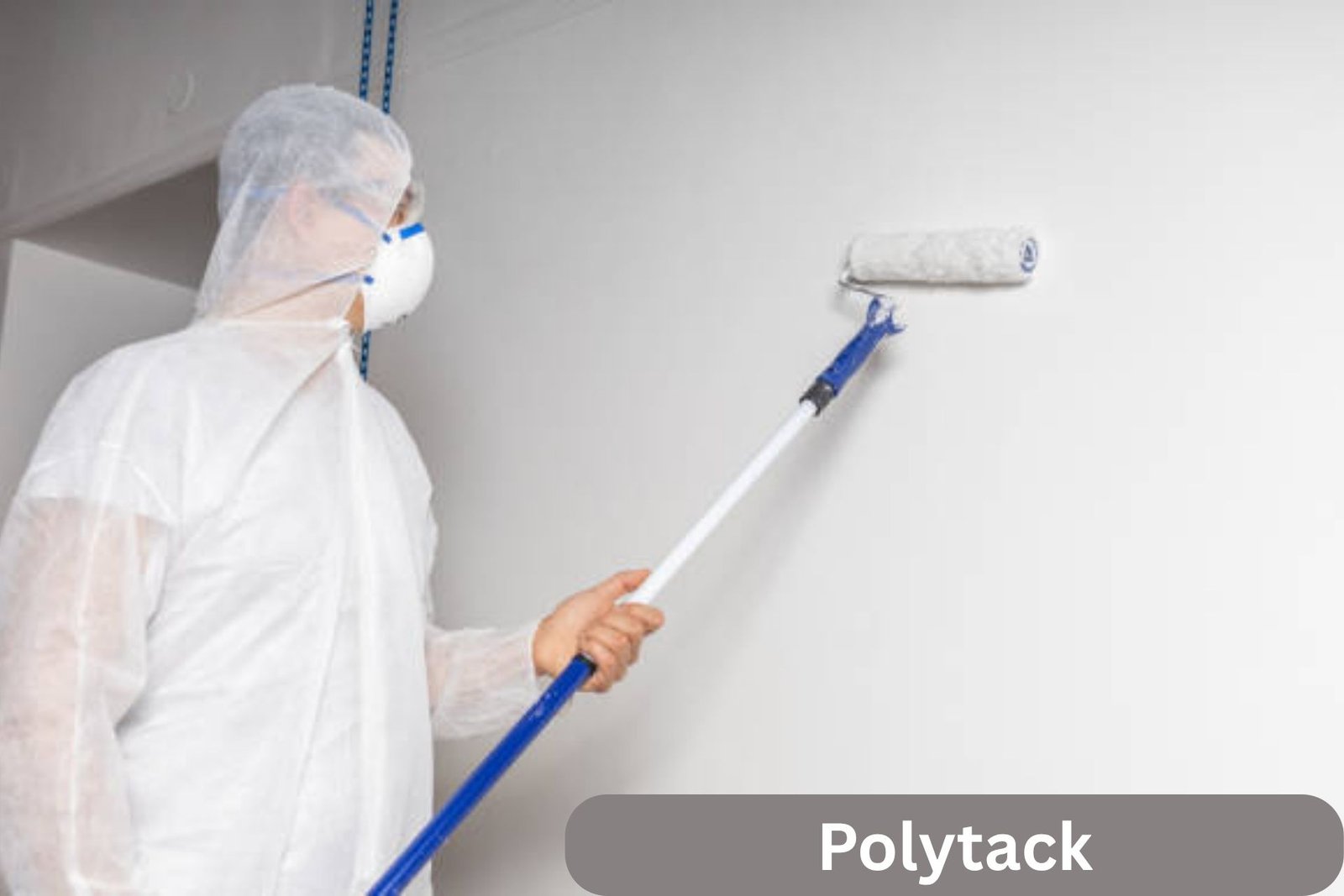
- Wear appropriate safety equipment.
- Follow local building codes.
Common Mistakes to Avoid
Many installation problems result from avoidable mistakes.
Examples include:
- Applying too much adhesive
- Applying too little adhesive
- Ignoring curing time
- Working on wet surfaces
- Using incompatible materials
- Poor surface preparation
Avoiding these errors significantly improves roof longevity.
Polytack vs Traditional Roofing Adhesives
| Feature | Polytack | Traditional Adhesives |
|---|---|---|
| Installation Speed | Fast | Moderate |
| Bond Strength | High | Moderate to High |
| Weather Resistance | Excellent | Good |
| Cleanup | Easier | May require solvents |
| Durability | Excellent | Good |
| Labor Efficiency | High | Moderate |
Environmental Considerations
Modern roofing increasingly focuses on sustainability.
Many Polytack formulations offer:
- Reduced VOC emissions
- Efficient application
- Less material waste
- Long service life
- Improved energy-efficient roofing performance
Safety Tips
Always follow workplace safety practices.
Recommended precautions include:
- Wear gloves.
- Use eye protection.
- Ensure proper ventilation.
- Read the Safety Data Sheet (SDS).
- Store containers securely.
- Keep away from ignition sources if required.
Maintenance After Installation
Routine inspections help maximize roof lifespan.
Inspect annually for:
- Membrane damage
- Loose flashing
- Drainage issues
- Debris accumulation
- Physical damage after storms
Prompt repairs help preserve the adhesive bond.
Is Polytack Worth It?
For contractors seeking reliable roofing performance, Polytack offers an excellent balance of strength, efficiency, and durability.
It is especially valuable on projects where long-term performance, faster installation, and dependable adhesion are priorities.
While the initial material cost may exceed that of some conventional adhesives, the reduced labor requirements and improved longevity often make it a cost-effective investment.
Conclusion
Polytack has become a trusted solution for modern roofing professionals because it combines strong adhesion, ease of use, and long-term durability. Whether you’re installing a new commercial roof, repairing an existing system, or bonding insulation boards, selecting a high-quality adhesive is essential for project success.
Proper surface preparation, careful installation, and adherence to manufacturer guidelines are key to achieving the best results. When used correctly, Polytack helps create roofing systems that withstand demanding weather conditions while reducing maintenance needs over time.
Frequently Asked Questions
1. What is Polytack used for?
Polytack is primarily used to bond roofing membranes, insulation boards, and roofing components in commercial and residential roofing systems.
2. Is Polytack waterproof?
Yes. Once fully cured and used as intended, it provides excellent moisture resistance.
3. Can Polytack be used outdoors?
Yes. It is specifically designed for exterior roofing applications and weather exposure.
4. Does temperature affect installation?
Yes. Always install within the temperature range recommended by the manufacturer.
5. How long does Polytack take to cure?
Curing time varies depending on product formulation, humidity, and temperature.
6. Can it be used on old roofs?
In many repair applications, yes, provided the existing substrate is compatible and properly prepared.
7. Is professional installation recommended?
For commercial roofing systems, professional installation is generally recommended to ensure compliance with manufacturer specifications and warranty requirements.
8. How should Polytack be stored?
Store it in a cool, dry place away from direct sunlight and according to the manufacturer’s storage guidelines.
9. What surfaces are compatible with Polytack?
Compatibility depends on the specific product formulation, but it is commonly used with roofing membranes, insulation boards, and approved roofing substrates.
10. Why is surface preparation important?
Clean, dry, and stable surfaces help maximize bond strength and ensure long-term roofing performance.