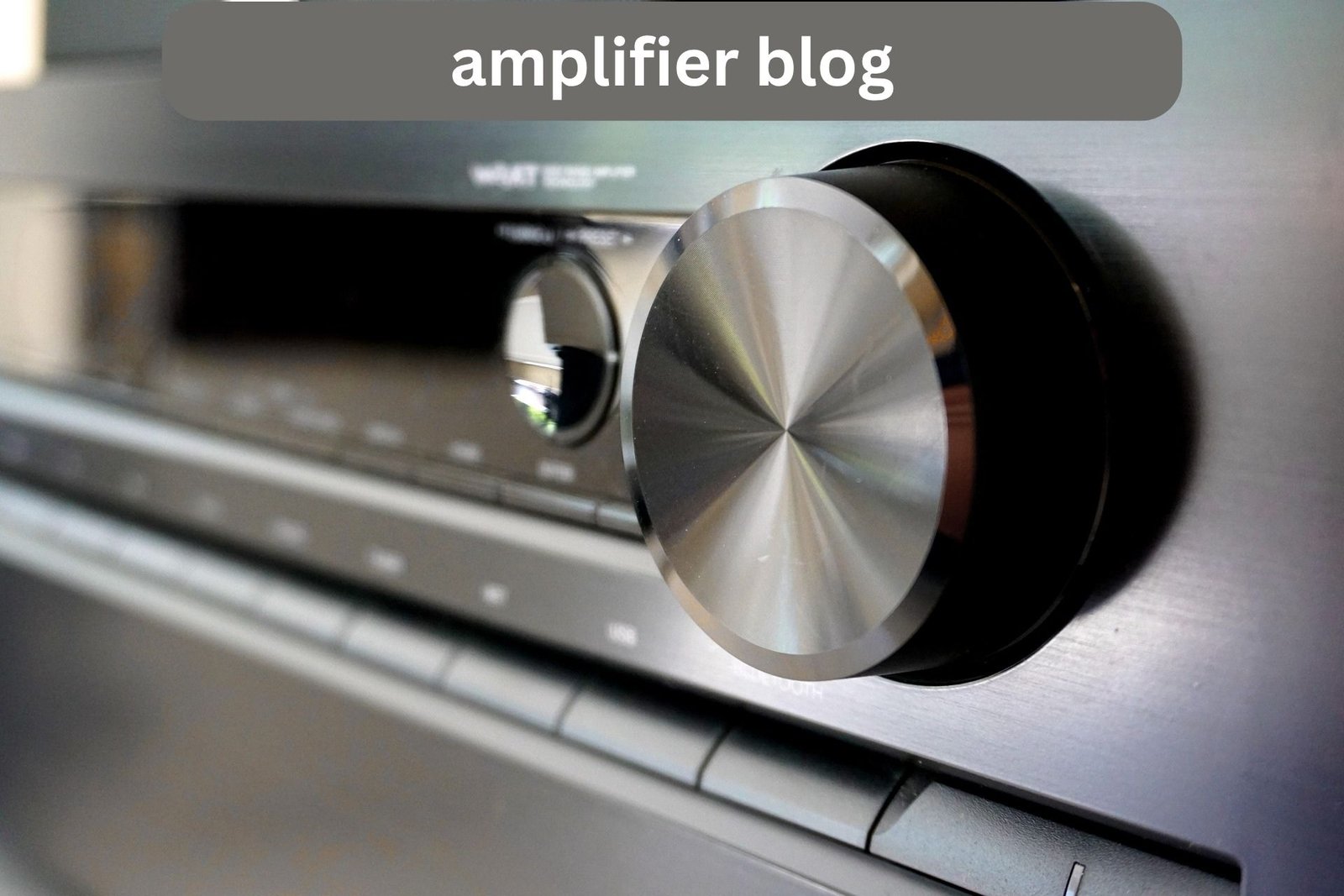
Amplifier Blog: The Ultimate Guide to Audio Amplifiers in 2026
What Is an Amplifier?
An amplifier blog is an electronic device that increases the strength of an audio signal so it can drive speakers or headphones with greater power and clarity. Whether you’re building a home theater, upgrading your hi-fi system, or improving professional studio sound, the right amplifier plays a critical role in delivering high-quality audio.
In simple terms, music from your smartphone, computer, streaming device, or CD player produces a very weak signal. An amplifier boosts that signal to a level powerful enough to move speaker drivers and reproduce clear, detailed sound.
Table of Contents
Modern amplifiers are available in various designs and technologies to suit different listening needs. From compact desktop models to high-power home theater systems, today’s amplifiers deliver impressive performance, energy efficiency, and advanced connectivity.
Why Read an Amplifier Blog?
If you’re new to audio equipment or planning an upgrade, an amplifier blog helps you understand:
- Different amplifier types
- Key technical specifications
- Power ratings explained
- Sound quality differences
- Buying recommendations
- Installation tips
- Maintenance best practices
- Common troubleshooting solutions
A well-informed purchase can improve your listening experience while helping you avoid compatibility issues.
How Does an Amplifier Work?
An amplifier receives a low-level electrical audio signal from a source device and increases its voltage and current without changing the original recording. The amplified signal is then sent to speakers, which convert the electrical energy into sound waves.
Basic Amplifier Signal Flow
Audio Source → Preamp → Power Amplifier → Speakers
Each stage performs an important task:
Audio Source
The source can be:
- Smartphone
- Laptop
- Television
- CD Player
- Streaming Device
- Turntable (with phono stage)
- DAC
Preamplifier
The preamp:
- Selects audio inputs
- Adjusts volume
- Controls bass and treble
- Processes weak audio signals
- Sends a clean signal to the power amplifier
Power Amplifier
The power amplifier increases the signal significantly, allowing speakers to produce loud, detailed, and dynamic sound without distortion when properly matched.
Speakers
Finally, speakers convert the amplified electrical signal into audible sound.
Why Is an Amplifier Important?
Many devices can play music directly, but they often lack the power needed for larger speakers or high-fidelity audio systems. A dedicated amplifier offers several benefits.
Improved Sound Quality
A quality amplifier delivers:
- Better clarity
- Cleaner vocals
- Stronger bass
- Improved instrument separation
- Wider soundstage
Higher Volume Without Distortion
Instead of simply making music louder, a good amplifier provides clean power that maintains sound quality even at higher listening levels.
Better Speaker Performance
Speakers perform best when supplied with adequate power. An underpowered amplifier can reduce dynamics and introduce distortion.
Enhanced Listening Experience
Whether enjoying movies, gaming, or music, the right amplifier provides greater detail and realism.
Types of Amplifiers
Choosing the correct amplifier depends on your audio setup, room size, speaker requirements, and listening preferences.
Stereo Amplifier
A stereo amplifier powers two audio channels—left and right—and is ideal for music enthusiasts who prioritize sound quality.
Best For
- Music listening
- Bookshelf speakers
- Floor-standing speakers
- Home hi-fi systems
Advantages
- Excellent stereo imaging
- Easy setup
- High-quality sound reproduction
- Reliable performance
Integrated Amplifier
An integrated amplifier combines a preamplifier and power amplifier into one unit, simplifying installation while maintaining excellent performance.
Benefits
- Compact design
- Lower equipment cost
- Fewer cables
- User-friendly operation
- Great value for home systems
Integrated amplifiers are among the most popular choices for beginners and experienced listeners alike.
Power Amplifier
A power amplifier is designed solely to increase signal power and requires a separate preamplifier or audio processor.
Common Applications
- Professional audio
- Home theaters
- Live events
- Recording studios
- Large speaker systems
Advantages
- Higher power output
- Improved control over demanding speakers
- Expandable audio systems
Tube Amplifier
Tube amplifiers use vacuum tubes instead of transistors to amplify audio signals.
Many audiophiles appreciate tube amplifiers for their warm, smooth, and natural sound characteristics.
Advantages
- Rich tonal quality
- Smooth midrange
- Vintage appearance
- Excellent musical detail
Considerations
- Higher maintenance
- Tubes require replacement over time
- Usually more expensive than solid-state designs
Class D Amplifier
Class D amplifiers are highly efficient and generate very little heat.
They have become increasingly popular for modern home audio systems, portable speakers, and professional installations.
Benefits
- High efficiency
- Lightweight construction
- Lower power consumption
- Compact size
- Powerful output
Class D technology has advanced significantly and now delivers excellent sound quality across a wide range of applications.
Headphone Amplifier
Headphone amplifiers are specifically designed to power high-quality headphones that require more power than smartphones or laptops can provide.
Best For
- Audiophiles
- Music producers
- Gamers
- Studio monitoring
- High-impedance headphones
Benefits
- Cleaner sound
- Increased detail
- Better volume control
- Improved dynamic range
Key Components of an Audio Amplifier
Understanding the main components helps you choose the right amplifier and troubleshoot common issues.
Power Supply
The power supply provides stable electrical energy for the amplifier. A well-designed power supply contributes to cleaner sound and consistent performance.
Input Stage
This stage receives the incoming audio signal from connected devices and prepares it for amplification.
Gain Stage
The gain stage increases the signal strength while preserving the original recording as accurately as possible.
Output Stage
The output stage delivers amplified power to connected speakers or headphones.
Heat Sink
Amplifiers generate heat during operation. Heat sinks help dissipate this heat, improving reliability and extending component lifespan.
Common Uses for Amplifiers
Amplifiers are used in a wide variety of audio applications, including:
- Home entertainment systems
- Home theater setups
- Professional recording studios
- Live concert sound systems
- Public address (PA) systems
- Gaming rooms
- Podcast studios
- Streaming setups
- Conference rooms
- Car audio systems
Each application has unique power, connectivity, and performance requirements, making it important to choose an amplifier that matches your intended use.
Benefits of Using an Amplifier
An audio amplifier is much more than a device that makes music louder. It improves sound quality, enhances speaker performance, and creates a richer listening experience. Whether you’re setting up a home theater, a music studio, or a professional sound system, a high-quality amplifier can make a noticeable difference.
1. Superior Sound Quality
One of the biggest benefits of an amplifier is its ability to deliver clear and detailed audio. A quality amplifier minimizes distortion while preserving the original sound.
Advantages include:
- Clear vocals
- Deep and controlled bass
- Crisp high frequencies
- Better instrument separation
- Improved stereo imaging
- Reduced audio distortion
2. More Power for Your Speakers
Every speaker requires sufficient power to perform at its best. An amplifier provides the energy needed to drive speakers efficiently, resulting in better sound reproduction and improved overall performance.
Benefits include:
- Higher volume levels
- Better dynamic range
- Improved speaker control
- Consistent audio quality
3. Enhanced Home Theater Experience
A dedicated amplifier significantly improves movie soundtracks by delivering immersive surround sound, powerful bass, and clear dialogue.
Ideal for:
- Movies
- TV shows
- Gaming
- Streaming content
- Sports broadcasts
4. Better Music Listening
Music enthusiasts often choose dedicated amplifiers because they reveal details that built-in TV or computer speakers cannot reproduce.
A quality amplifier helps deliver:
- Accurate vocals
- Natural instruments
- Balanced frequencies
- Wide soundstage
- Improved musical detail
5. Reliable Performance
Modern amplifiers are designed for long-term reliability. With proper maintenance, a quality amplifier can provide years of dependable performance.
How to Choose the Best Amplifier
Selecting the right amplifier depends on several important factors. Understanding these factors helps you make an informed purchasing decision.
Determine Your Purpose
Start by identifying how you plan to use the amplifier.
Common uses include:
- Home audio
- Home theater
- Professional studio
- Live performances
- Car audio
- Gaming
- Podcasting
Match the Amplifier to Your Speakers
Speaker compatibility is one of the most important considerations.
Pay attention to:
- Speaker impedance (Ohms)
- Power handling (Watts)
- Sensitivity rating
- Number of speakers
A properly matched amplifier ensures efficient performance and reduces the risk of damage.
Consider Power Output
Power output is measured in watts per channel (WPC).
General recommendations:
| Room Size | Recommended Power |
|---|---|
| Small Room | 20–50 Watts |
| Medium Room | 50–100 Watts |
| Large Room | 100–200+ Watts |
Higher wattage does not always mean better sound. Proper matching with your speakers is more important than simply choosing the most powerful amplifier.
Check Connectivity Options
Modern amplifiers offer a wide range of connection options.
Look for:
- Bluetooth
- Wi-Fi
- HDMI ARC/eARC
- USB
- Optical input
- Coaxial input
- RCA input
- XLR connections
- Speaker terminals
- Headphone output
These features improve compatibility with modern entertainment systems.
Build Quality
A well-built amplifier generally offers better durability and performance.
Look for:
- Metal chassis
- Quality heat sinks
- Premium internal components
- Strong speaker terminals
- Reliable power supply
Brand Reputation
Established manufacturers often provide:
- Better quality control
- Firmware updates
- Warranty support
- Customer service
- Reliable long-term performance
Reading expert reviews and verified customer feedback can help you compare different models.
Amplifier vs Receiver
Many beginners confuse amplifiers with AV receivers. While they are related, they serve different purposes.
| Feature | Amplifier | Receiver |
|---|---|---|
| Amplifies Audio | ✔ | ✔ |
| Built-in Radio | Usually No | Yes |
| HDMI Switching | Some Models | Yes |
| Surround Sound Processing | Limited | Yes |
| Music Quality | Excellent | Very Good |
| Home Theater Features | Basic | Advanced |
Choose an Amplifier If:
- You mainly listen to music.
- You want the highest stereo sound quality.
- You prefer a simple audio setup.
- You already have separate audio components.
Choose a Receiver If:
- You watch movies frequently.
- You need surround sound.
- You connect multiple HDMI devices.
- You want an all-in-one home theater solution.
Important Amplifier Features to Consider
When shopping for an amplifier, compare features beyond power ratings.
Bluetooth Connectivity
Wireless streaming allows you to play music directly from:
- Smartphones
- Tablets
- Laptops
Wi-Fi Streaming
Many premium amplifiers support:
- Multi-room audio
- High-resolution streaming
- Network music libraries
Built-in DAC
A Digital-to-Analog Converter (DAC) improves audio quality when playing digital music.
Benefits include:
- Cleaner sound
- Better detail
- Reduced digital noise
Tone Controls
Tone controls allow you to adjust:
- Bass
- Treble
- Balance
These settings help tailor the sound to your room and personal preferences.
Remote Control and Mobile Apps
Modern amplifiers often include:
- Remote controls
- Smartphone apps
- Voice assistant support
- Streaming service integration
These features make daily operation more convenient.
Understanding Amplifier Power Ratings
Power specifications can be confusing. Here are the most common terms.
RMS Power
RMS (Root Mean Square) indicates the continuous power an amplifier can deliver reliably. This is the most useful specification when comparing amplifiers.
Peak Power
Peak power represents the maximum short-term output during brief audio peaks. It should not be used as the primary measure of amplifier performance.
Impedance
Most home speakers are rated at:
- 4 Ohms
- 6 Ohms
- 8 Ohms
Always ensure your amplifier supports the impedance of your speakers.
Signal-to-Noise Ratio (SNR)
A higher Signal-to-Noise Ratio means cleaner audio with less background noise.
Generally:
- Above 90 dB is good.
- Above 100 dB is excellent.
Total Harmonic Distortion (THD)
THD measures unwanted distortion added by the amplifier.
Lower values indicate cleaner sound.
Typical high-quality amplifiers have THD below 0.1%.
Common Amplifier Problems and Solutions
Even reliable amplifiers can amplifier blog experience issues. Understanding common problems can help with troubleshooting.
No Sound Output
Possible causes:
- Loose cables
- Incorrect input selection
- Speaker wiring issues
- Faulty audio source
- Muted output
Solution:
- Check all cable connections.
- Verify input settings.
- Test another audio source.
Overheating
Causes include:
- Poor ventilation
- High listening volumes
- Blocked cooling vents
- Heavy continuous use
Solutions:
- Leave space around the amplifier.
- Keep vents clean.
- Avoid stacking equipment directly on top.
Distorted Audio
Possible reasons:
- Damaged speakers
- Clipping
- Incorrect impedance
- Low-quality audio files
- Faulty cables
Solutions:
- Lower the volume.
- Inspect speaker wiring.
- Replace damaged cables.
- Match speaker impedance correctly.
Humming or Buzzing Noise
Common causes:
- Ground loops
- Damaged RCA cables
- Electrical interference
- Loose connectors
Solutions:
- Use quality shielded cables.
- Separate power and signal cables.
- Check grounding connections.
Amplifier Keeps Turning Off
Possible reasons:
- Overheating
- Short circuit
- Protection mode activation
- Internal component failure
If the issue persists after checking ventilation and wiring, consult the manufacturer or a qualified technician.
Expert Buying Tips
Before purchasing an amplifier, keep these recommendations in mind:
- Set a realistic budget.
- Match the amplifier to your speakers.
- Compare RMS power ratings.
- Choose the connectivity options you need.
- Read professional reviews.
- Check warranty coverage.
- Consider future upgrades.
- Buy from reputable retailers.
- Avoid focusing only on wattage.
- Prioritize overall sound quality and compatibility.
Amplifier Maintenance Tips
A high-quality amplifier is an investment that can provide excellent audio performance for many years. Regular maintenance helps maintain sound quality, prevents overheating, and extends the lifespan of your equipment.
Keep Your Amplifier Clean
Dust buildup can block ventilation and trap heat inside the amplifier. Clean the exterior regularly using a soft microfiber cloth and avoid using harsh chemicals.
Maintenance Tips:
- Dust the amplifier weekly.
- Keep ventilation openings clear.
- Never spray cleaning liquids directly onto the unit.
- Store the amplifier in a dry, dust-free environment.
Ensure Proper Ventilation
Amplifiers generate heat during operation. Poor airflow can reduce performance and shorten component life.
Best Practices:
- Leave at least 4–6 inches of space around the amplifier.
- Do not place objects on top of the unit.
- Avoid enclosed cabinets without ventilation.
- Keep the amplifier away from direct sunlight.
Inspect Cables Regularly
Loose or damaged cables can introduce noise, distortion, or intermittent signal loss.
Check:
- Speaker cables
- RCA cables
- HDMI cables
- Power cables
- Optical cables
Replace worn or damaged cables promptly to maintain reliable performance.
Avoid Overloading the Amplifier
Connecting speakers with incompatible impedance or exceeding recommended volume levels may activate the amplifier’s protection circuits.
Always follow the manufacturer’s specifications for speaker compatibility and power handling.
Protect Against Power Surges
Use a high-quality surge protector or power conditioner to help protect your amplifier from unexpected voltage spikes.
Amplifier Setup Guide
Correct installation helps you achieve the best possible sound quality.
Step 1: Choose the Right Location
Position the amplifier on a stable, flat surface with adequate airflow.
Avoid placing it:
- Near heat sources
- In humid environments
- Inside tightly enclosed cabinets
Step 2: Connect the Audio Source
Connect your preferred audio source, such as:
- Smartphone
- Computer
- CD player
- Streaming device
- Turntable (with a compatible phono stage)
Step 3: Connect the Speakers
Ensure positive (+) and negative (−) terminals are connected correctly.
Incorrect wiring can affect stereo imaging and overall sound quality.
Step 4: Adjust Volume Carefully
Start with a low volume level and increase it gradually while monitoring for distortion.
Step 5: Fine-Tune the Sound
Adjust settings such as:
- Bass
- Treble
- Balance
- Input selection
Experiment with speaker placement to improve stereo imaging and room acoustics.
Amplifier Safety Tips
Following basic safety practices helps protect both your amplifier and connected equipment.
Safety Checklist:
- Keep liquids away from the amplifier.
- Disconnect power before cleaning.
- Never block cooling vents.
- Use the correct power supply.
- Avoid exposing the amplifier to excessive moisture.
- Turn the amplifier off before connecting or disconnecting speakers.
- Follow the manufacturer’s operating instructions.
Frequently Asked Questions (FAQs)
What does an amplifier do?
An amplifier increases the strength of an audio signal so it can drive speakers or headphones effectively, resulting in louder and clearer sound.
Do I need an amplifier for my speakers?
Many passive speakers require an external amplifier. Active speakers already include built-in amplification.
Which amplifier is best for home use?
The best choice depends on your needs. Integrated amplifiers are a popular option for home audio because they combine convenience with excellent sound quality.
What is the difference between a stereo amplifier and an integrated amplifier?
A stereo amplifier powers two audio channels, while an integrated amplifier combines a preamplifier and power amplifier in one unit.
What is RMS power?
RMS (Root Mean Square) power represents the continuous power an amplifier can deliver reliably over time.
Is a higher wattage amplifier always better?
Not necessarily. Speaker compatibility, sound quality, and efficient system matching are often more important than maximum wattage.
What is a Class D amplifier?
A Class D amplifier uses high-efficiency switching technology to deliver powerful output while producing less heat.
Are tube amplifiers better?
Tube amplifiers are valued for their warm, natural sound. Solid-state amplifiers generally offer greater efficiency, lower maintenance, and higher reliability. The better choice depends on personal preference and intended use.
How long does an amplifier last?
With proper care and maintenance, a quality amplifier can last 10 to 20 years or even longer.
Can an amplifier improve sound quality?
Yes. A well-matched amplifier can provide cleaner, more detailed audio, better speaker control, and reduced distortion.
Can I connect my TV to an amplifier?
Yes. Many modern amplifiers support HDMI ARC/eARC, optical, or analog audio connections for TVs.
How do I prevent amplifier overheating?
Ensure good ventilation, avoid blocking cooling vents, and operate the amplifier within its recommended limits.
Conclusion
Choosing the right amplifier is essential for achieving high-quality audio performance. Whether you’re building a home theater, upgrading a hi-fi music system, or assembling a professional sound setup, understanding amplifier types, power ratings, features, and compatibility will help you make an informed decision.
From integrated amplifiers and stereo amplifiers to Class D and tube designs, each type offers unique advantages. By matching your amplifier to your speakers, maintaining proper ventilation, and following routine maintenance practices, you can enjoy reliable performance and excellent sound quality for years.
We hope this amplifier blog has helped you understand how amplifiers work, what features matter most, and how to select the best amplifier for your listening needs.